






According to clevelandclinic.org, roughly 36% of people have a fear of dentistry, with 12% having an extreme phobia. Because of this, many patients feel nervous or stressed during dental procedures. However, with the proper type and dosage of dental sedation, patients can feel more comfortable and experience significantly less stress during treatment.
In this article, we will explain the different types of sedation in dentistry, along with their key features, benefits, and possible side effects.
What Is Sedation Dentistry?
Sedation dentistry in simple terms includes the methods and medications that help patients relax before and during the dental procedures.
Sedation dentistry is sometimes confused with ‘sleep dentistry,’ but they are different. With most forms of sedation, patients stay conscious (except under general anesthesia) and can respond to the dentist’s directions, while remaining in a deeply relaxed, drowsy state.
You might wonder how asleep you will actually be under sedation dentistry. Let me explain.
The 4 Levels of Dental Sedation
Depending on the type of sedation used, you may experience different levels of relaxation, drowsiness, or anesthesia. We have summarized them in the table below.
| Level | What It Feels Like | Are You Awake? |
| Minimal | Relaxed, calm | Yes, fully |
| Moderate (Conscious) | Drowsy, may slur words | Yes, but groggy |
| Deep | Barely conscious | Borderline |
| General Anesthesia | Completely unconscious | No |
At Kawartha Dental Clinic, our doctors will evaluate your condition and recommend the most appropriate level of dental sedation for your needs.
The 4 Main Types of Dental Sedation
There are four main types of sedation used in dentistry. We will explain each of them below.
Nitrous Oxide
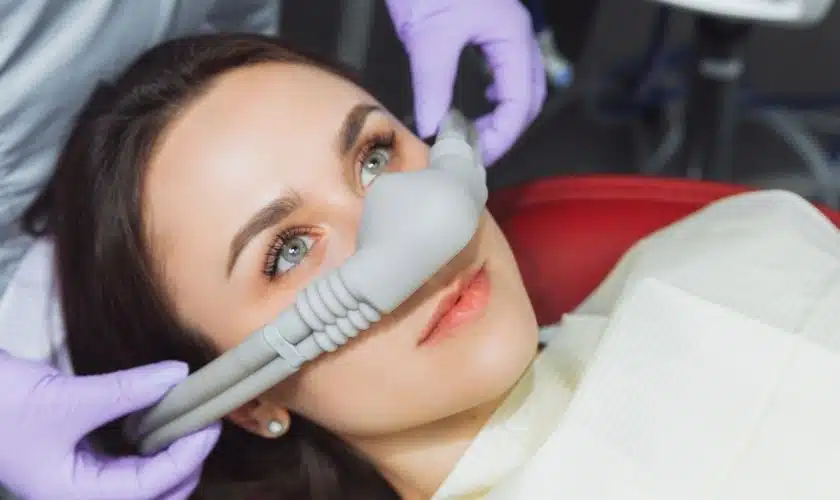
Nitrous oxide, also known as N₂O or laughing gas, is a mild sedative gas that dentists commonly use to help patients feel calm and relaxed during dental treatment. It is inhaled through a small nosepiece placed over the nose, allowing the patient to remain comfortable and at ease throughout the dental procedure.
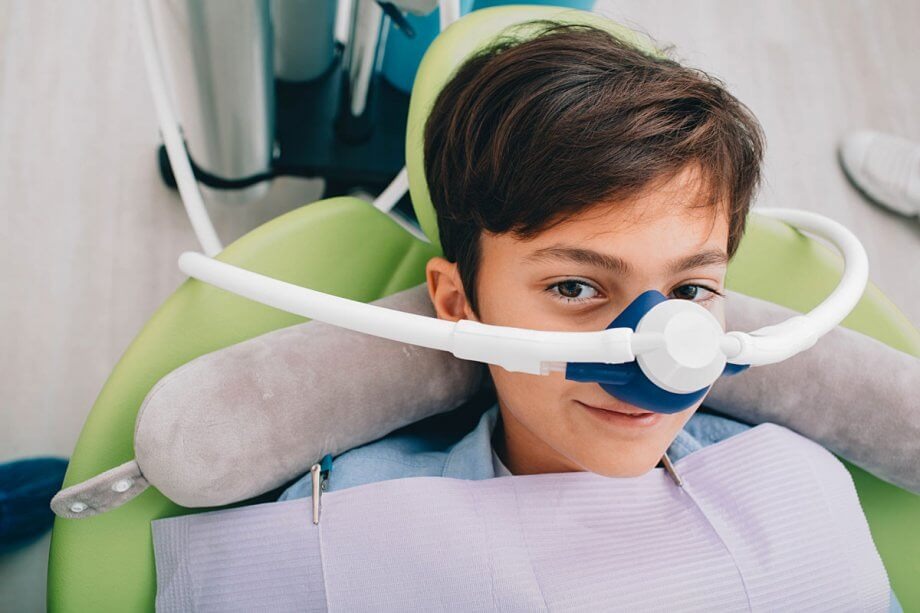
One of the benefits of nitrous oxide is that its effects wear off quickly with pure oxygen, so most patients are able to drive home safely after their appointment.
Oral Sedation
Oral conscious sedation is taken in pill form, usually using medications such as lorazepam or triazolam. At Kawartha Dental Clinic, our dentists carefully evaluate each patient’s condition to prescribe the appropriate dose of oral sedation, usually taken about an hour before the procedure. Patients typically feel very drowsy and relaxed while still remaining awake. However, they should not drive afterward and should find an alternative way home.
IV Sedation
Intravenous (IV) sedation provides a deeper level of sedation compared to other common dental sedatives. Doctors administer IV sedation directly into the bloodstream, allowing it to take effect quickly. IV sedation often causes temporary amnesia, meaning patients may remember little or nothing about the procedure.

General Anesthesia
General anesthesia may be given through inhaled gas or IV injection and typically requires the supervision of an anesthesiologist. Under general anesthesia, patients will be completely asleep and unaware of the procedure. It is usually used only in rare or more complex cases.
A Quick Overview
| Type | How It’s Given | Level of Sedation | Key Features |
| Nitrous Oxide | Inhaled gas mixed with oxygen via a mask over the nose. | Minimal | Also called laughing gas. Effects wear off quickly with pure oxygen. Patients can drive home after appointment. |
| Oral Sedation | A pill (e.g., triazolam, lorazepam) taken about an hour before the procedure. | Minimal to Moderate | Common and easy. A higher dose leads to moderate sedation. Patients will feel very drowsy but awake. Patients shouldn’t drive. |
| IV Sedation | A sedative drug is injected directly into the bloodstream. | Moderate to Deep | Fastest-acting. Dentists can precisely adjust the sedation level. Often leads to amnesia. Requires monitoring of vital signs. Patients can’t drive after the procedure. |
| General Anesthesia | Inhaled gas or IV injection. | Deep / Unconscious | Performed by a specialist (anesthesiologist). Patients are completely asleep and unaware. Requires advanced breathing support.and monitoring. Patients can drive after the procedure. |
How Does Kawartha Dental Clinic Choose the Right Type for You?
Choosing the right type of dental sedation depends on several important factors, including your level of anxiety, medical history, overall health, and the complexity of the procedure. Our dentists carefully evaluate each patient to recommend the safest and most effective option for a comfortable experience.
For patients with mild nervousness, nitrous oxide may be enough to help them relax. Patients with moderate anxiety or longer procedures may benefit from oral sedation or IV sedation. In more complex or rare cases, general anesthesia may be considered.
Before your treatment, our team will discuss your concerns, explain your options, and make sure you feel comfortable with the recommended sedation method.
How to Prepare for a Sedation Dentistry Appointment?
A little preparation goes a long way toward making your sedation appointment smooth and stress-free.
Firstly, please follow your fasting instructions. If you’re having any type of sedation, your dentist will ask you not to eat or drink for several hours prior to your appointment, typically 6 hours for food and 2 hours for clear liquids. This is a safety measure to prevent nausea during the procedure.
Secondly, keep taking your regular medications unless your dentist tells you otherwise. Your care team will factor your existing prescriptions into the sedation plan. Never adjust your medications on your own without asking first, as this can affect how the sedative works.
As a final tip, wear loose, comfortable clothing with short sleeves or sleeves that can be rolled up easily, especially if you will be receiving IV sedation. If possible, leave jewelry and contact lenses at home for added comfort and convenience.
If you have any questions about dental sedation, feel free to ask our team.
FAQ
Is dental sedation safe?
Yes, dental sedation is generally considered safe when it is provided by trained dental professionals and tailored to the patient’s medical condition.
Will I be completely asleep during dental sedation?
Not always. With most types of sedation, you will remain awake but deeply relaxed. Only general anesthesia makes you fully unconscious.
Are there any side effects after dental sedation?
Some patients may feel drowsy, groggy, or slightly nauseous for a few hours after treatment. These effects are usually temporary and wear off gradually.
Will I feel pain during the procedure?
Sedation helps you feel calm and comfortable during treatment. Local anesthesia is usually also used to numb the treatment area and minimize pain.