





For many people, the thought of sitting in a dental chair is enough to trigger a wave of anxiety! Whether it’s the sound of the drill, the memory of a painful procedure, or simply the fear of the unknown, dental anxiety is far more common than most people realize.
Fear of dentistry can lead to missed appointments, bad oral health, and a cycle that becomes increasingly difficult to break. Understanding where dental fear comes from is the first step toward overcoming it. In this article, we’ll explore the difference between dental anxiety and dental phobia, the most common causes of fear, and practical strategies to help make your next dental visit a much calmer experience.
Why Are People Afraid of the Dentist?
Fear of the dentist exists on a spectrum. Some people feel uneasy before an appointment, while others experience intense phobia that keeps them from getting treatment for years. The terms get mixed together, but there are important differences.
What Is Dental Anxiety and Dental Phobia?
Dental anxiety is nervousness, worry, or stress related to dental visits or procedures. A person with dental anxiety may feel tense before appointments. They have trouble sleeping the night before, sweat, or feel nauseated in the waiting room, but they may still attend appointments despite discomfort.
However, dentophobia is a much more intense condition. A phobia is not just “being scared.” It involves extreme fear or panic, avoidance behavior, fear that feels uncontrollable or irrational, and significant interference with health or daily life.

Let’s take a look at the reasons why people are afraid of the dentist.
The Most Common Causes of Fear of the Dentist
The most common causes of fear of a dentist include:
Past Painful or Traumatic Experiences
Have you ever had a bad dental appointment? It may have involved a painful injection, severe discomfort, a difficult tooth extraction, mistakes made by the dental team, or a lack of empathy from the staff. These negative experiences can all lead to fear and avoidance of dental appointments.
Fear of Needles
Many patients are afraid of needles, especially when they are used for dental injections or anesthesia. The fear may come from previous painful experiences, anxiety about pain, or simply seeing the needle itself.

Feelings of Helplessness or Loss of Control
Sometimes, having limited control over the situation during treatment can lead to dental anxiety. Sitting in a dental chair, keeping the mouth open for a long time, and not knowing what will happen next can create feelings of helplessness or vulnerability.
At Kawartha Dental Clinic, the doctors explain each step of the procedure and regularly check whether you are feeling uncomfortable or stressed.
Embarrassment About Oral Health
Some people avoid visiting the dentist because they feel embarrassed about the condition of their teeth or gums. They may worry that the dentist will judge them for cavities, bad breath, stained teeth, or poor oral hygiene. This embarrassment can cause anxiety and lead patients to delay important dental care. Rest assured, our dentists are trained to help patients improve their oral health, not to criticize them. You can trust our staff at Kawartha Dental Clinic.

Sounds, Smells, and Sensory Triggers
The sounds and smells commonly associated with dental clinics can trigger anxiety in some patients. The noise of dental drills, the smell of dental materials, or even the bright lights in the treatment room may remind people of previous unpleasant experiences or trigger traumatic memories.
If you have sensory triggers, discuss them with your doctor beforehand. In some cases, patients may benefit from therapy to help reduce their anxiety.
Learned Fear (from Parents or Peers)
Fear of the dentist can sometimes develop through the experiences or opinions of other people. Children, in particular, may become anxious if they hear parents, siblings, or friends talking negatively about dental treatment. Hearing frightening stories or seeing fear in others can create anxiety even before a person has their own dental experience.
How Common Is Dental Fear? (Stats & Data)
Well, let’s take a look at findings from studies published on PubMed. Research shows that:
- Dental anxiety or fear affects approximately 36% of the population, while about 12% experience extreme dental fear.
- In a survey of 1,420 adults, 16.4% reported dental anxiety, and half of them said their fear began in childhood.
- In a study involving 1,024 students, 11% had high dental anxiety, and local anesthetic injections were identified as the most feared part of dental treatment.
- An Australian study of 1,036 adults found that 39% of people with moderate to high dental fear followed a “vicious cycle” pattern: avoiding dental care, developing treatment needs, and only visiting the dentist when problems became severe. Among people without dental fear, this pattern was seen in only 1% of participants.
- A study of 275 children showed that higher dental fear was associated with a greater number of decayed, missing, or filled teeth.
These statistics show that dental anxiety is a very common issue that affects both children and adults. If you are afraid of the dentist, you are not alone. Fortunately, there are several ways to reduce dental anxiety and make dental visits more comfortable.
Tips for Managing Dental Anxiety
Managing dental anxiety starts with preparation and open communication. There are simple techniques that can help you feel calmer before and during your appointment. Let’s review some tips.

Before Your Appointment
A little preparation can make a big difference. So, do these tips ahead of your visit:
- Schedule wisely: Book your appointment at a time when you feel least rushed or stressed.
- Talk to your dentist beforehand: Let the team know about your anxiety. We can plan ahead to make your visit as comfortable as possible.
- Avoid caffeine before your visit: Caffeine can increase feelings of nervousness and heighten sensitivity.
- Try some exercises: Practice deep breathing or simple relaxation exercises the night before and on the morning of your appointment.
- Get help: Bring a trusted friend or family member for support if that helps you feel more at ease.
During Your Appointment
You are in control during your visit. Here are ways to stay calm while in the chair:
- Use a stop signal: Agree with your dentist on a hand signal (like raising your hand) so you can pause treatment at any time.
- Focus on your breathing: Slow, deep breaths help calm the nervous system. Try breathing in for 4 counts and out for 6.
- Feel free to ask questions: Understanding what is happening during your treatment often reduces the fear of the unknown.
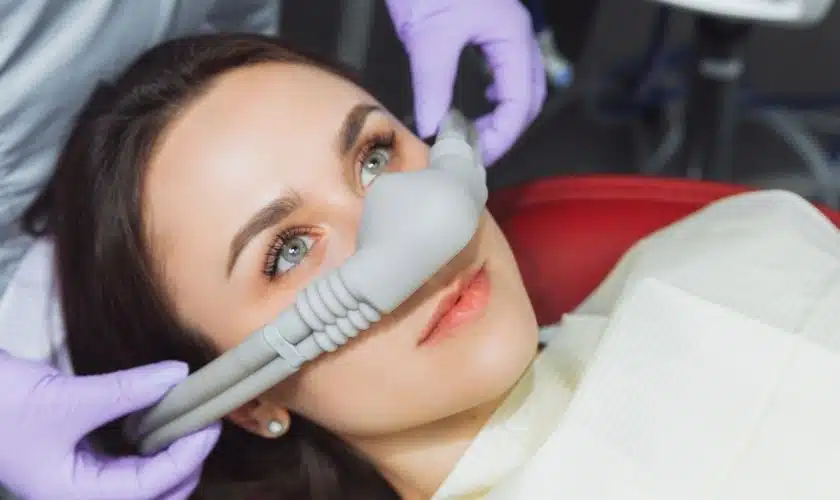
Many patients’ fears and anxieties can be greatly reduced with the right choice of dental sedation. For more information, read this article: Types of Sedations in Dentistry.
Why It’s Important NOT to Avoid the Dentist
Avoiding the dentist can have detrimental effects on your health. For example, small issues like cavities or mild gum inflammation can gradually become more painful, complicated, and expensive to treat. This is why regular check ups are important as dental issues are often only discovered when they have become fairly severe.
Poor oral health can also affect the entire body. Research has shown that gum disease and chronic oral infections may be linked to several health conditions, including heart disease, diabetes, respiratory infections, and complications during pregnancy.
We completely understand your fear of dentistry and are here to help you get a calm and soothing dental appointment with the best doctors in Canada.
We suggest you contact us and book a free consultation session today to be sure of the process of the procedure and what you need to do.